Making the Most of Your Solar System
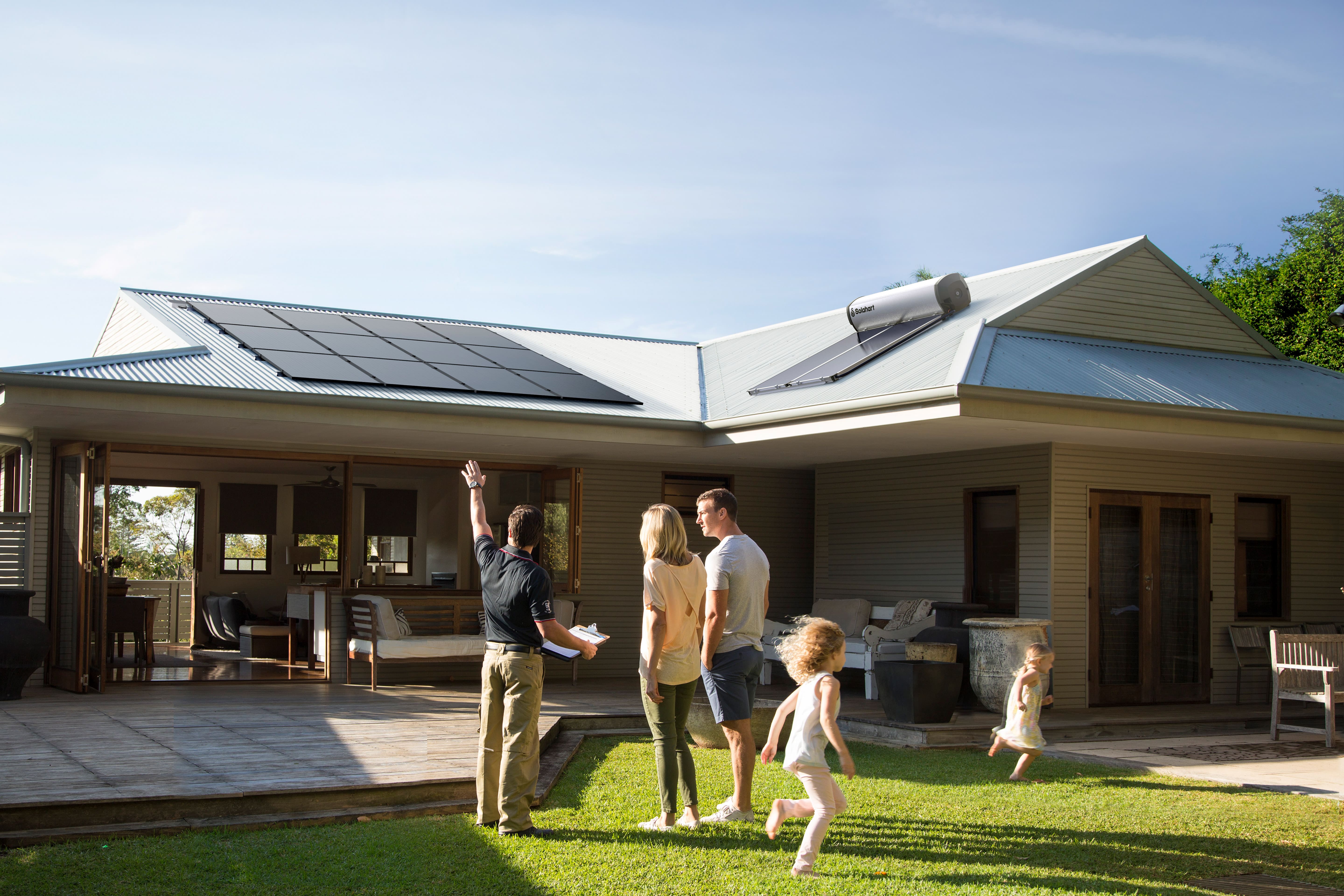
Having a solar panel system installed on your Australian home is a smart investment, but there's more you can do to get the best possible return on that investment. Many homeowners don't realise that when and how they use their appliances can significantly impact how much solar energy they actually consume from their own roof. By strategically scheduling high-energy appliances during peak solar production hours, and by using battery storage wisely, you can increase self-consumption and reduce reliance on grid electricity.
Understanding Solar Peak Hours and Self-Consumption
Solar panels generate the most electricity between 9am and 3pm, with peak production typically occurring around midday when the sun is highest in the sky. During these hours, your system can produce far more energy than your home immediately needs, especially if you're not home or if energy usage is low.
Without battery storage, this excess energy flows back to the grid, and you typically receive a feed-in tariff that's lower than the rate you pay for grid electricity. However, if you can shift your household's energy consumption to match these peak solar hours, you'll use more of the electricity your panels generate, rather than exporting it.
This is where smart appliance scheduling and battery systems come into play.
The Role of Battery Storage in Your Solar System
A solar battery system stores excess energy generated during peak hours for use when the sun isn't shining. This means you can run appliances in the evening or on cloudy days using energy your panels produced earlier, without drawing from the grid.
Battery systems give you greater flexibility in when you use your solar energy. Rather than being locked into daytime-only consumption, you can draw on stored energy whenever you need it. This is particularly valuable in Australian households where many people are away during peak solar hours for work, yet return home in the evening when energy demand increases.
The team at Solahart Shoalhaven can help you understand how a battery system would work with your specific household patterns and energy needs.
Smart Scheduling: Using Your Dishwasher and Other Appliances Wisely
One of the easiest ways to increase self-consumption is to schedule household appliances to run during peak solar hours. Your dishwasher is a perfect candidate for this strategy.
Most modern dishwashers have delay-start features that allow you to set them to run at a specific time. If you have a solar system without battery storage, running your dishwasher during midday, say at 1pm, means the energy powering it comes directly from your panels rather than the grid. This works especially well for households with flexible routines, work-from-home arrangements, or where someone is home during the day.
Other appliances that work well for peak-hour scheduling include laundry machines, pool pumps, and EV chargers. The key is identifying which appliances use the most energy and which ones have flexible operating times.
If you have battery storage, the strategy becomes even more flexible. You can run dishwashers and other appliances during evening hours, knowing that the energy comes from solar panels via your battery rather than the grid.
Combining Battery Storage with Smart Home Technology
When you combine a modern battery system with smart home scheduling features, you can automate much of this process. Some systems now offer apps that show real-time solar production, battery status, and energy consumption. This data helps you make informed decisions about when to run appliances.
Advanced setups can even automatically direct appliances to run when solar production is high or when battery charge is full. This removes the guesswork and maximises your self-consumption without requiring constant manual input.
At Solahart Shoalhaven, our team can discuss which smart features might suit your home and how they integrate with your solar and battery system.
Getting Started with Optimised Solar Usage
The transition to smarter energy management doesn't require major lifestyle changes. Start by identifying your household's high-energy appliances and flexible usage patterns. From there, simple changes like running the dishwasher at midday or charging an EV during peak solar hours can make a real difference over time.
If you're considering battery storage, this conversation becomes even more important. A good battery system paired with intentional appliance scheduling can substantially increase the proportion of your energy needs met by solar generation.
Energy savings vary depending on household usage and location.
Take Control of Your Solar Energy
Your solar system is generating clean energy from the Australian sun. By understanding when that energy is produced and strategically using your appliances during peak hours, you can ensure more of it powers your home rather than flowing unused to the grid.
Whether you're looking to optimise an existing system or considering battery storage for the first time, expert advice can help you develop a strategy tailored to your household. Contact Solahart Shoalhaven today to discuss how battery storage and smart appliance scheduling could work for your home, and ask about getting a free quote for your situation.