Investing in solar battery storage is an exciting step towards energy independence, but getting the size right is crucial. Too small, and you'll miss out on the benefits of your solar system. Too large, and you're spending more than necessary. This guide helps Australian homeowners understand how to calculate the right battery capacity for their unique situation.
Understanding Your Daily Energy Consumption
Before you can size a battery system, you need to know how much energy your household actually uses. Start by checking your electricity bills from the past twelve months. Look for your daily average consumption, usually measured in kilowatt-hours, or kWh.
Your usage varies seasonally, so don't rely on a single bill. Winter months typically show higher consumption due to heating, while summer usage tends to increase because of air conditioning and cooling. By averaging across the full year, you get a realistic picture of your household's true energy profile.
Many modern smart meters and online account portals let you view your consumption by time of day. This breakdown is incredibly valuable because it shows when you're using the most energy, not just how much overall.
Matching Battery Size to Your Climate Zone
Australia's diverse climate zones significantly impact how much energy your solar panels generate and when you'll need to draw from battery storage. Homes in northern regions with consistent sunlight year-round have different storage needs than southern homes that experience longer winter nights.
In tropical and subtropical zones, summer solar generation is excellent, but you may need larger storage to handle shorter winter daylight hours. Temperate southern zones experience more dramatic seasonal variation, which often means requiring larger batteries to bridge the gap during winter months when solar output drops considerably.
Your local climate zone also influences how efficiently your battery performs. Temperature extremes can affect battery chemistry and output, so discussing your specific location with Solahart Shoalhaven helps ensure your system is optimised for your region.
Determining Your Desired Autonomy
Autonomy refers to how many days your battery can power your home without solar generation. Most Australian households aim for two to three days of autonomy, meaning the battery can cover their energy needs for two to three cloudy days in a row.
This is an important choice that affects your battery size significantly. If you want five days of autonomy, you'll need a much larger system than if you're comfortable with one day of backup. Consider your local weather patterns. Areas prone to extended cloudy periods might benefit from higher autonomy, while consistently sunny regions can work with lower autonomy numbers.
The team at Solahart Shoalhaven can help you decide what autonomy level makes sense for your household based on regional weather data and your personal comfort level.
Using a Battery Storage Calculator
Modern battery storage calculators take the guesswork out of sizing. These tools typically ask for your daily energy consumption, your desired autonomy level, and your location. They then factor in system efficiency losses and provide a recommended battery capacity range.
While online calculators provide a helpful starting point, they work best as a conversation starter with professionals. Real-world installations involve additional considerations like your existing solar panel capacity, roof space, budget constraints, and future energy needs. A calculator might recommend a twelve kWh system, but your optimal choice could range from ten to fifteen kWh depending on these other factors.
Contact Solahart Shoalhaven today to discuss your specific situation. They can run calculations tailored to your household and explain what different capacity levels mean for your daily life and energy independence.
Accounting for Future Needs
Your energy consumption might change in coming years. Installing an electric vehicle, adding a heat pump, or simply having more family members at home all increase your energy needs. It's worth considering whether a slightly larger battery now might save money compared to upgrading later.
That said, battery technology continues to improve and costs continue to shift. There's also value in starting with what you need today and expanding later if necessary. Discuss your future plans with your installer to find the best balance between present requirements and future flexibility.
Getting Professional Guidance
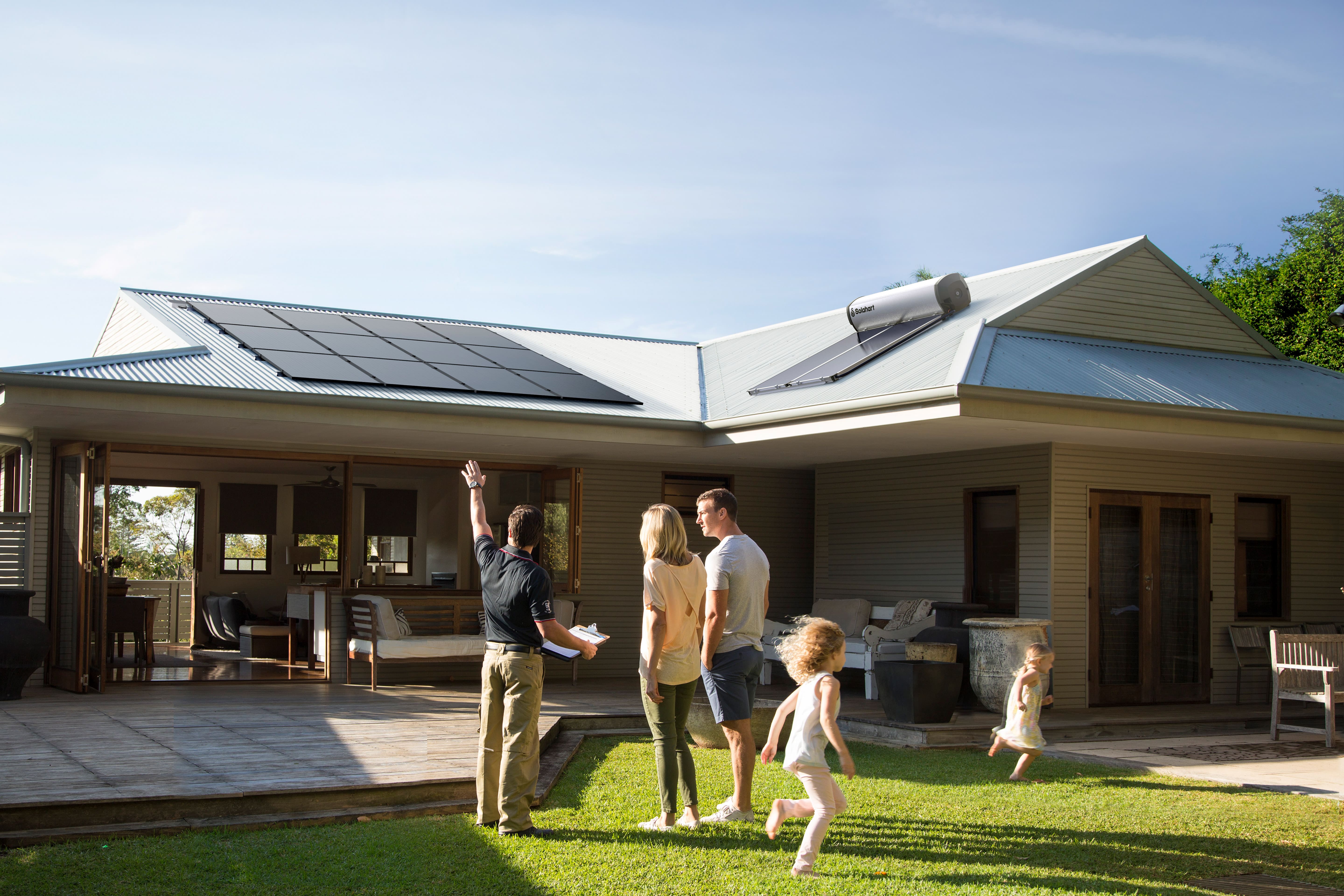
Battery storage sizing combines science, local knowledge, and practical experience. While understanding the basics helps you ask better questions, the expertise of professionals makes a real difference. They'll review your specific consumption patterns, consider your roof orientation and shading, assess your local climate data, and factor in your budget.
A professional assessment might reveal opportunities you hadn't considered, such as load shifting strategies or panel upgrades that change your battery requirements. These insights help ensure your investment delivers the outcomes you're hoping for.
Finding Your Perfect Fit
Choosing the right battery storage capacity puts you on the path to genuine energy independence. Take time to understand your consumption patterns, consider your climate zone, and think about your autonomy goals. These factors combine to guide you towards a system that fits your household and your lifestyle.
The right battery size is different for every Australian home, which is why professional guidance matters. Solahart Shoalhaven can walk you through the calculation process and help you make an informed decision that works for your family.
Ready to explore battery storage for your home? Reach out to Solahart Shoalhaven for a free quote and personalised system assessment. They'll help you understand what capacity makes sense for your household and climate, giving you the information you need to move forward with confidence.
Energy savings vary depending on household usage and location.