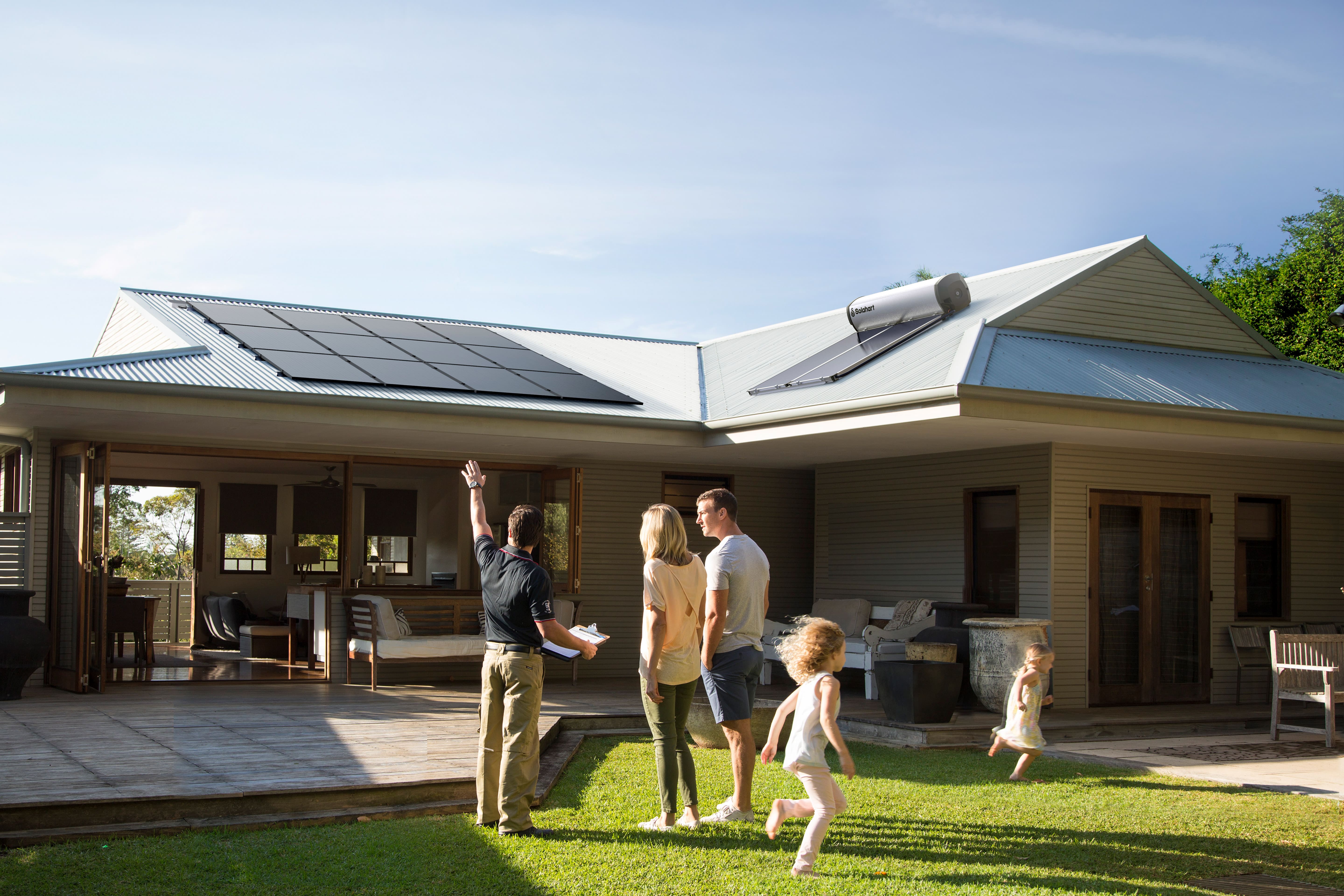
Is Your Roof Ready for Solar? Here's What You Need to Know
Across Australia, the solar revolution is well underway. Over three million homes now benefit from solar panel systems, and more than a million households have embraced solar hot water technology. It's an exciting time to join the renewable energy movement. But what if you're concerned your roof might not be the ideal candidate for a traditional solar installation?
The good news is that not having a roof suited to solar doesn't mean you're locked out of renewable energy solutions. Let's explore what factors might affect your suitability for solar and what alternatives could work brilliantly for your home.
Common Roof Challenges for Solar Installation
While solar technology is remarkably versatile, certain roof characteristics can impact its effectiveness. Understanding these factors helps you make an informed decision about your renewable energy options.
Shading Issues
One of the biggest considerations for solar performance is shade. Trees, chimneys, neighbouring buildings, and other structures can cast shadows across your roof throughout the day, significantly reducing the energy your solar panels can generate. Even partial shading can have a noticeable impact on your system's output, making it less efficient than it could be on an unobstructed roof.
Slate Roofing
Not all roofing materials work equally well with solar installations. Slate roofing, while beautiful and durable, is quite fragile. The delicate nature of slate tiles makes it challenging to install solar collectors without risking damage to your roof structure, which is why it presents complications for traditional solar systems.
Roof Orientation
The direction your roof faces plays a crucial role in solar performance. Ideally, collectors should face true north to maximise sunlight exposure throughout the day. As your roof orientation moves away from north towards the east or west, energy production decreases by approximately 10-15%. Collectors facing south of the east-west line simply don't receive enough solar radiation to be worthwhile.
A Brilliant Alternative: Heat Pump Technology
If any of these factors apply to your home, don't be discouraged. There's an excellent renewable energy solution that doesn't require roof space at all: heat pump technology.
Understanding How Heat Pumps Work
Imagine an air conditioner running in reverse. That's essentially how a heat pump operates. Rather than drawing energy from the sun, heat pumps extract thermal energy from the surrounding air and use heat-transfer technology to warm your water efficiently. This renewable approach significantly reduces your water heating energy consumption while lowering your household's greenhouse gas emissions.
One common concern is performance during cold weather. Quality heat pumps are engineered to work effectively even in chilly conditions, as air always contains some heat energy. For particularly freezing periods, many systems include an electric booster function that activates automatically, ensuring your family always has hot water when needed. This booster also prevents ice formation in the system's internal passages, protecting the equipment from damage.
Why Heat Pumps Make Sense for Australian Homes
The Perfect Solution When Solar Isn't Viable
Heat pumps offer a dependable way to access renewable hot water when traditional solar doesn't work for your situation. They're particularly valuable for homes in shaded areas, those with unsuitable roofing materials, or properties where roof orientation isn't ideal. The beauty of heat pumps is their flexibility—they can typically be installed in the same outdoor location where your current water heater sits, and often connect to your existing plumbing and electrical infrastructure. This makes upgrading straightforward and cost-effective.
Access to Government Financial Support
Investing in renewable technology represents a commitment to your home's future, and the Australian government recognises this. Heat pumps qualify for Small-Scale Technology Certificates (STCs), which provide genuine financial benefits at the point of purchase. These government incentives can substantially reduce your upfront investment, making the switch to renewable hot water more accessible for Australian families.
Significant Energy Savings
Hot water heating typically accounts for roughly 25% of a typical Australian household's energy consumption. By switching to a heat pump, you'll dramatically reduce the energy your home consumes for this essential service. Over the life of the system, these savings accumulate significantly, offsetting the initial investment while keeping more money in your pocket.
Making the Right Choice for Your Home
Whether your roof is perfectly suited to solar panels or presents some challenges, Australia's leading solar and renewable energy brands have solutions designed to work for your specific situation. The key is understanding your home's unique characteristics and matching them with the right technology.
The transition to renewable energy doesn't need to be complicated. By recognising potential obstacles early and exploring all available options, you can make a confident decision that suits your home, your budget, and your environmental goals. Your journey towards energy independence and lower utility bills is absolutely achievable—it just might take a different path than traditional rooftop solar.
Whatever solution you choose, you're making a positive choice for your family's future and Australia's energy landscape.